A silver-tone watch can mean two very different things. One has a case and bracelet made from sterling silver, an alloy prized for its bright white colour and traditional craft feel. The other uses stainless steel, the workhorse metal behind most watches sold today. Both can look elegant on the wrist, and both can be called “silver” in casual conversation, but they behave differently after months of wear. If you are buying a silver watch, the metal matters as much as the dial.
What “Silver” Means on a Watch Label
Sterling silver is 92.5 percent silver, usually blended with copper. Jewellery hallmarks such as 925, “sterling” or “Ag925” are clues. In watches, sterling silver is most often used for the case, bezel, bracelet or decorative elements; some pieces combine a silver case with a steel caseback or crown. Stainless steel is an alloy of iron and chromium, often with nickel and molybdenum. Watch cases commonly use grades such as 316L or 904L. It is not silver at all, despite the colour. A third category exists: silver-plated brass or base metal. These can look convincing when new, but plating can wear through. Before paying a silver-watch premium, read the specification and look for a hallmark or grade name.
Appearance: Warm Brightness vs Cool Consistency
Sterling silver has a soft, warm white tone that sits well with vintage-style dials, guilloché textures and leather straps. Freshly polished, it looks almost creamy next to steel. It also ages: with time, silver develops a darker patina in recesses and along the bracelet, which some owners love and others dislike. Stainless steel is cooler and more uniform, with a slightly grey cast. Its finish can be brushed, polished or both, and it tends to stay visually stable for years. Under artificial light, the difference is subtle. Outdoors, silver can look richer; steel can look sharper and more modern. If you want a watch that looks exactly the same on day 500 as day one, steel has the advantage. If you like the idea of a metal that acquires character, sterling silver is the more expressive choice.
Durability and Tarnish Risk
Silver is softer than stainless steel. That does not mean a sterling silver watch will fall apart, but it does mean the case is more likely to pick up fine scratches, small dents and bracelet stretch. A polished silver bezel can show scuffs quickly. Steel is harder and more resistant to everyday knocks, which is one reason it dominates sports watches and daily wear.
Tarnish is the bigger practical difference. Sterling silver reacts with sulfur compounds and humidity in the air, turning yellow, brown or black. The effect is usually surface-level and can be removed, but it returns unless the watch is stored well or protected by rhodium plating or an anti-tarnish treatment. Rhodium plating gives silver a brighter, harder surface, yet it can wear at high-friction points and may need re-plating eventually. Stainless steel does not tarnish in the same way. It can still corrode if exposed to chlorinated water, salt and strong chemicals, especially if the surface is damaged, but routine contact with air and sweat is not a problem.
Water and Wear
For swimming, showering, gardening and gym use, stainless steel is the lower-maintenance choice. Sterling silver watches are better treated like jewellery: remove them for chlorine, hot tubs, heavy cleaning products and rough manual work. If a silver watch is rated for water resistance, respect that rating, but remember that the rating applies to a new watch and depends on seals, not on the metal alone. A silver case with a steel back may be more practical than a fully silver construction, though the bracelet and case edges still deserve care.
Weight and Comfort on the Wrist
Silver is denser than steel, so a sterling silver watch of the same dimensions will usually feel heavier. On a bracelet watch, that extra mass is noticeable: the head may pull more, and the clasp can shift during quick wrist movements. Some people find that weight reassuring and luxurious; others find it tiring by late afternoon. Stainless steel is lighter for its strength, which makes it easier to wear all day and a better fit for larger cases. Comfort also depends on case shape, bracelet articulation and how well the watch is sized. A heavy silver watch with a poorly fitting bracelet will feel worse than a well-balanced steel one, so try to judge the whole package rather than the metal alone.
Maintenance: What Each Metal Asks of You
Neither metal is difficult, but they ask for different habits. Steel is forgiving: a wipe with a soft cloth, occasional washing with mild soap and water for water-resistant models, and a check of the bracelet screws are usually enough. Sterling silver needs a little more attention.
- Store it dry: keep silver watches in a dry box or pouch, away from humidity and rubber bands, which can release sulfur.
- Use the right cloth: a soft silver-polishing cloth is enough for light tarnish; avoid abrasive pastes on brushed or plated surfaces.
- Clean gently: warm water, mild soap and a soft brush for water-resistant cases; dry immediately and thoroughly.
- Separate pieces: store silver watches apart from harder metals and jewellery to limit scratches.
- Check plating: if the silver is rhodium-plated, avoid polishing compounds that cut through the coating.
For steel, the main enemy is grit. Dust and salt trapped in a bracelet act like sandpaper over time. Rinse a water-resistant steel watch after sweaty wear, dry it with a microfibre cloth, and avoid chlorine unless the watch is rated for it. If a steel watch develops small rust spots, have it checked rather than scrubbing harder.
Price and Value: What You Are Paying For
Sterling silver is a precious metal, and its material cost is generally higher than that of stainless steel. That premium shows up most clearly in simple silver jewellery; in watches, the movement, finishing, brand and design often dominate the final price. A well-made steel watch can cost more than a modest sterling silver piece, and a sterling silver watch from a specialist maker can cost more than a comparable steel model. Silver-plated watches sit at the low end and should be judged as fashion pieces, not heirlooms. When comparing two watches, ask what the metal is, whether the caseback is steel, how thick the plating is, and whether the bracelet is solid or hollow. Those details affect both feel and longevity more than a shiny product photo can show.
How to Choose with Confidence
Start with how you will wear the watch. If it will see daily commutes, travel, exercise and the occasional accidental knock, stainless steel is the sensible default. It holds its finish, tolerates sweat and water, and needs little beyond basic cleaning. If you want a dress watch with a warmer look, a sterling silver case can be memorable, especially when paired with a leather strap and worn for dinners, weddings and quieter days. Check the hallmark, confirm the caseback material, and ask whether the silver is rhodium-plated. Try the watch on if you can: the extra weight of silver should feel balanced, not awkward. And decide whether you enjoy polishing and patina. Silver rewards that care with a look steel cannot quite copy. Steel rewards neglect with years of easy wear. Neither is better; they simply suit different owners.
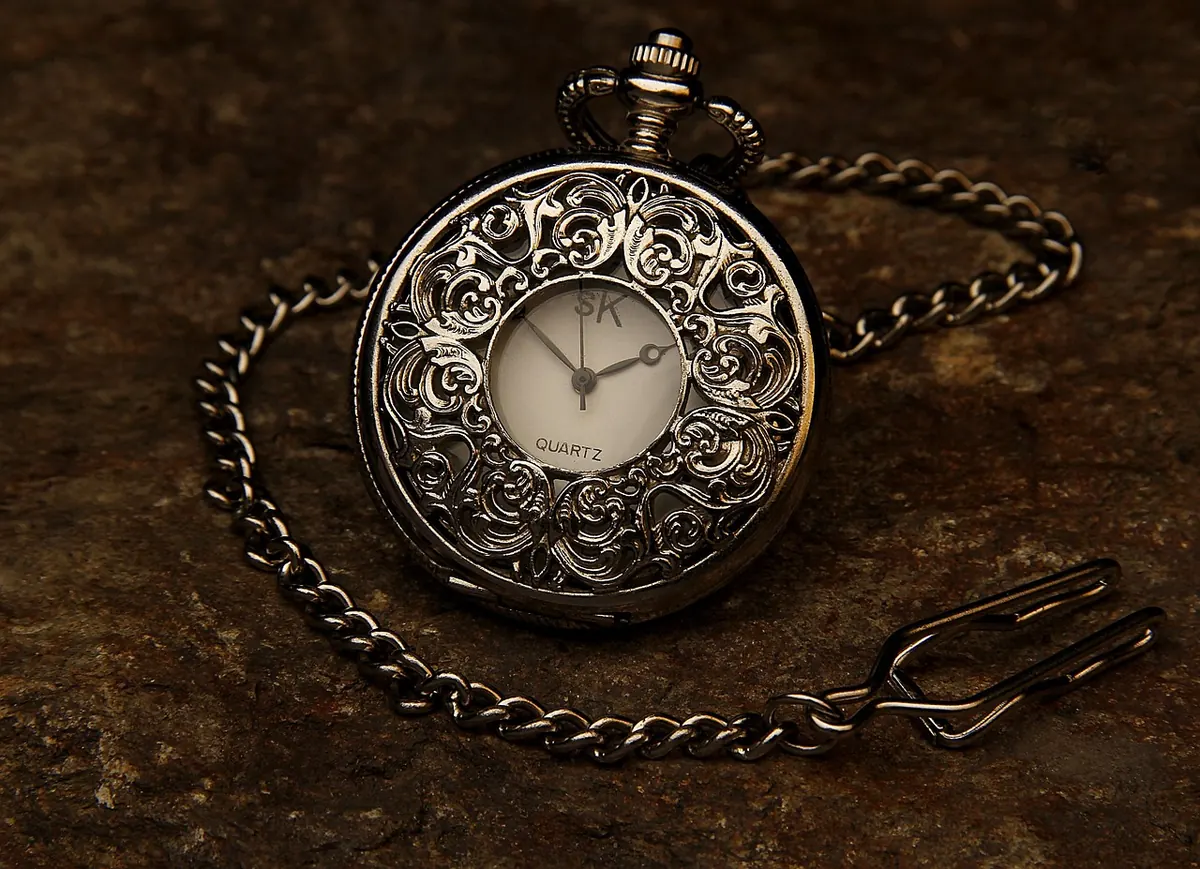
Photo: Monoar_CGI_Artist / Pixabay